Tree Maintenance and Removal
The City is committed to maintaining a healthy urban tree canopy. As part of the City’s ongoing tree management program, street trees and trees located in public open spaces are regularly assessed to ensure they are healthy and do not pose any safety risks to the community.
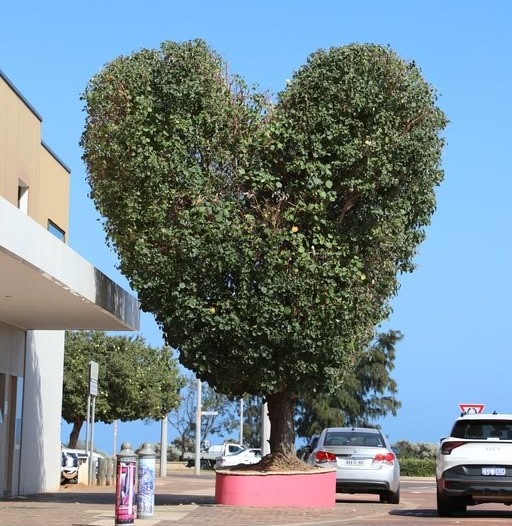
Tree Pruning
Street tree pruning is typically carried out for a range of safety, asset protection and tree health reasons, including:
- Public safety - Removing dead, damaged or unstable branches that could fall and injure pedestrians, cyclists or motorists.
- Road clearance - Maintaining adequate clearance over roads, footpaths and shared paths so vehicles, pedestrians and service vehicles can pass safely.
- Visibility - Improving sight lines at intersections, driveways, pedestrian crossings and traffic signs.
- Power line and infrastructure protection - Preventing branches from interfering with power lines, streetlights and other services.
- Building clearance - Reducing the likelihood of branches contacting roofs, gutters, fences and other structures.
- Tree health and longevity - Removing diseased, pest-affected or damaged limbs and encouraging healthy growth.
- Storm preparation - Reducing the risk of branch failure during high winds and severe weather events.
- Vehicle access - Ensuring emergency services, waste collection trucks, buses and other large vehicles can access streets without obstruction.
- Reducing property damage - Minimising the risk of falling branches damaging vehicles, homes or public assets.
- Maintaining amenity - Preserving the appearance and structure of trees while balancing environmental, safety and operational needs.
- Compliance with standards - Meeting arboricultural best practice and risk management obligations for public land.
Tree Removal
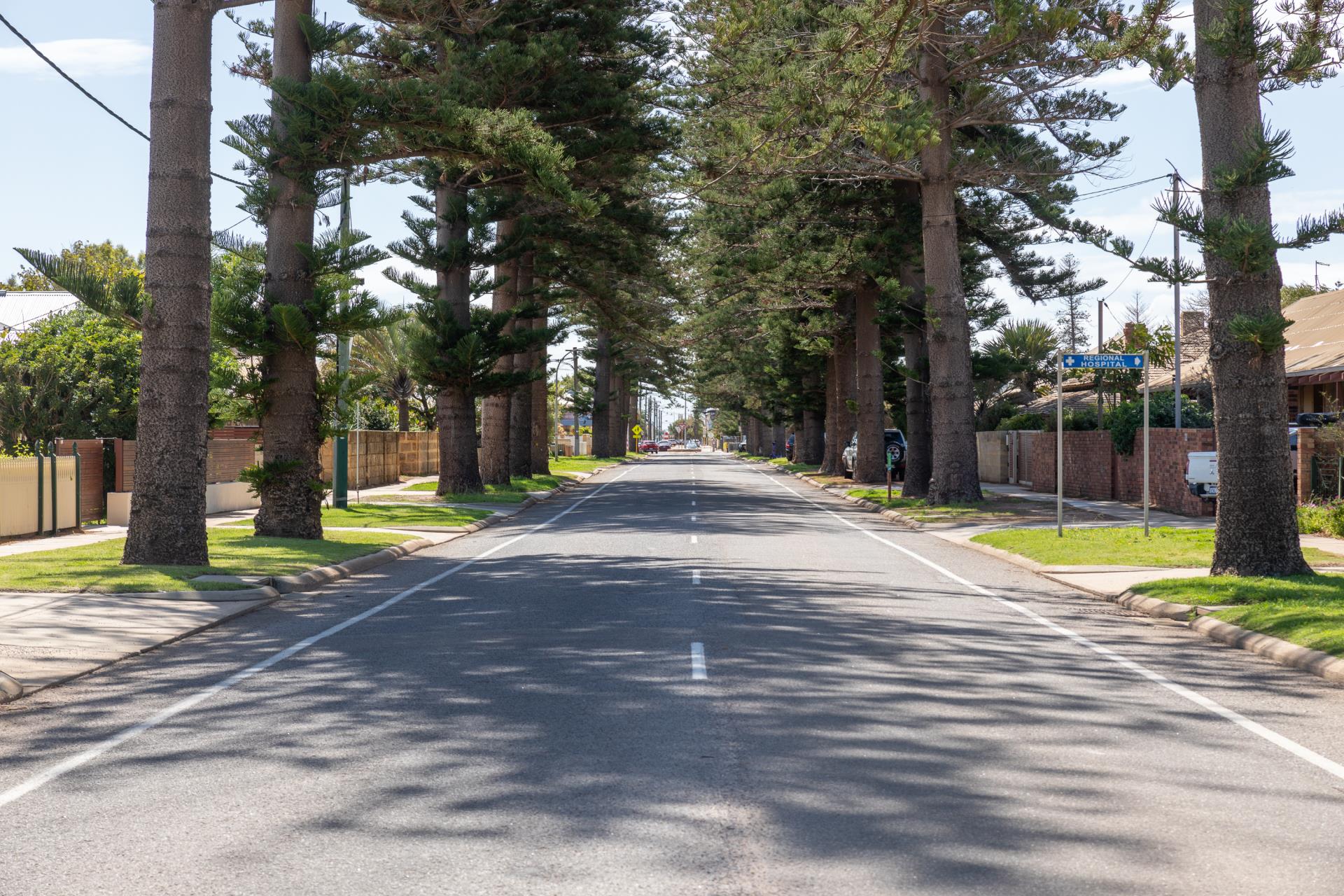
Approximately every two years a qualified arborist inspects the City's Norfolk pines and other trees of significance to ensure they are healthy. Trees are only removed when there are clear and justifiable reasons including:
- The tree poses an unacceptable safety risk due to disease, decay, structural defects or instability that increases the likelihood of tree failure.
- The tree is dead or dying and cannot be reasonably restored to good health.
- The tree has been significantly damaged by storms, vehicle impacts, fire or vandalism.
- Disease or pest infestation has compromised the tree's health or created a risk of spreading to other trees.
- Infrastructure conflicts where roots are causing significant damage to roads, footpaths, drainage systems or underground services and no practical alternative solution exists.
- The tree is adversely affecting essential services, such as power lines or critical public infrastructure.
- Construction or major public works projects may require removal. The obstruction of sight lines at intersections, driveways, pedestrian crossings and traffic signs may also require the removal of trees.
- The tree is an unsuitable species for the location and presents ongoing management, safety or infrastructure issues.
- Poor health or decline where the tree's condition has deteriorated beyond what pruning or treatment can address.
- Urban forest renewal programs, where aging trees nearing the end of their useful life are replaced with younger trees to maintain long-term canopy cover.
- Risk management requirements where professional arborist assessments determine that removal is the safest and most responsible option.
Frequently Asked Questions
How old are the Norfolk pines in the CBD?
The Norfolk pines in the CBD are approximately 100 years old and are reaching the end of their natural life expectancy. While many remain in reasonable condition, trees of this age require increased monitoring and maintenance as the risk of decline and branch failure can increase over time. Their long-term management is important to balance public safety, tree health and the preservation of the CBD's unique character.
When a street tree is removed will a new tree be planted nearby to replace it?
Yes. The City aims to replace removed street trees wherever possible. However, if the original location is not suitable for a new tree due to factors such as space constraints, underground services or infrastructure conflicts, the replacement tree will be planted in a more appropriate location where it can grow successfully and contribute to the area's long-term urban canopy.
How many verge trees does the City plant each year?
The City aims to plant more than 250 verge trees each year to help grow and renew the urban canopy. The total number planted can vary depending on seasonal conditions and available funding.
How many trees does the City plant each year in our coastal and bushland reserves?
The City undertakes extensive revegetation efforts each year across coastal reserves and bushland areas to increase the tree canopy, enhance biodiversity, improve habitat connectivity, stabilise landscapes and support the long-term health of the natural environment. The number of plantings varies from year to year depending on factors such as seasonal conditions, funding opportunities, grant programs and the scale of restoration projects being undertaken across Greater Geraldton.
Does the City count it's plantings towards the Million Trees Project?
Yes, the City established the Million Trees Project, a community-wide initiative, to help green Greater Geraldton. All of the City's revegetation and tree planting activities contribute to the Million Trees Project and are counted alongside plantings made by residents, community groups, schools and local businesses.
To date nearly 600,000 trees and shrubs have been registered since the project began in 2011. Residents, businesses and community organisations are also encouraged to keep register their eligible plantings here.
For more information about eligible plantings and how to register them, visit the City's Million Trees Project webpage here.